 FleetShield
Fleet Insurance Policy Coverage: 2026 Expert Guide
Confused by fleet insurance policy coverage? This 2026 guide breaks down options, costs, and how to save up to 20% with telematics. Read now!
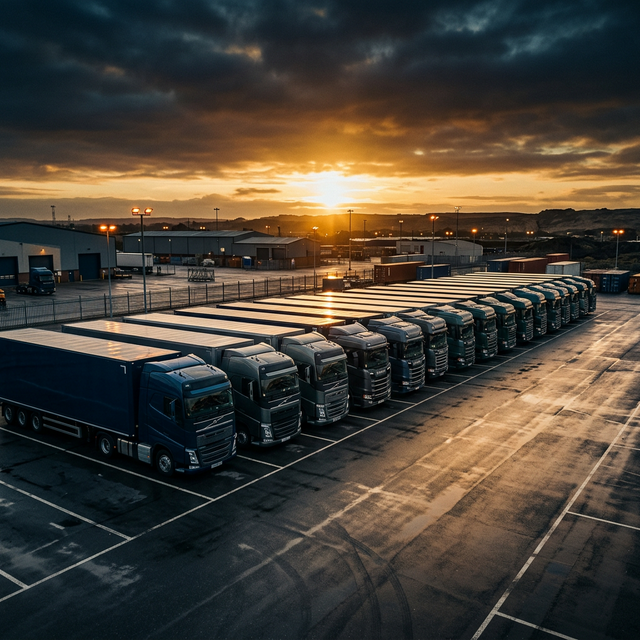
Choosing the right fleet insurance policy coverage is critical for protecting your business from financial losses due to accidents, theft, or liability claims. However, with numerous options and varying levels of protection, understanding the nuances of each coverage type is essential. This guide provides a comprehensive overview of the different fleet insurance policy coverage options available in 2026, along with practical tips for optimizing your insurance strategy and potentially reducing your fleet insurance cost.
Understanding the Core Fleet Insurance Policy Coverage Options
Fleet insurance policies typically include several core coverage options, each designed to protect against specific risks. Let's examine these options in detail:
1. Commercial Auto Liability Coverage
Commercial auto liability coverage is the cornerstone of any fleet insurance policy. It protects your business from financial losses if your drivers cause an accident that results in bodily injury or property damage to others. This coverage pays for:
- Medical expenses for injured parties
- Vehicle repair or replacement costs
- Legal fees and settlements if your business is sued
The amount of liability coverage you need depends on several factors, including the size of your fleet, the types of vehicles you operate, and the potential for accidents. The FMCSA mandates minimum liability coverage levels for interstate carriers, but exceeding those minimums is often advisable. A 2025 study by the American Transportation Research Institute (ATRI) found that the average cost of a truck accident resulting in a fatality exceeded $7.9 million, highlighting the importance of adequate liability coverage.
2. Physical Damage Coverage (Collision and Comprehensive)
Physical damage coverage protects your fleet vehicles from damage caused by accidents (collision) or other events such as theft, vandalism, fire, or natural disasters (comprehensive). Collision coverage typically has a deductible, which is the amount you pay out-of-pocket before the insurance company pays the remaining balance. Comprehensive coverage also may have a deductible.
Choosing the right deductible amount is a balancing act. A higher deductible lowers your premium but increases your out-of-pocket expenses in the event of a claim. Our analysis shows that increasing your deductible from $500 to $2,500 can reduce your physical damage premium by as much as 15%.
3. Uninsured/Underinsured Motorist Coverage
Uninsured/underinsured motorist (UM/UIM) coverage protects your business if your drivers are involved in an accident with a driver who has no insurance or insufficient insurance to cover the damages. UM coverage pays for your drivers' medical expenses and vehicle repairs, while UIM coverage kicks in when the at-fault driver's insurance limits are exhausted.
Given the rising number of uninsured drivers on the road, UM/UIM coverage is becoming increasingly important. Data from the Insurance Research Council indicates that approximately 13% of drivers in the U.S. are uninsured, underscoring the need for this coverage.
4. Medical Payments Coverage (MedPay)
Medical payments coverage (MedPay) pays for medical expenses incurred by your drivers and passengers injured in an accident, regardless of who is at fault. MedPay can help cover immediate medical bills and can supplement other insurance coverage.
While MedPay coverage limits are typically lower than liability coverage limits, it can provide valuable financial assistance in the immediate aftermath of an accident. We recommend considering MedPay coverage with limits of at least $5,000 per person.
5. Cargo Insurance
Cargo insurance protects your business from financial losses if the goods you are transporting are damaged, lost, or stolen. This coverage is particularly important for trucking companies and other businesses that haul freight.
The amount of cargo insurance you need depends on the value of the goods you typically transport. The FMCSA requires minimum cargo insurance limits for certain types of carriers, but you may need higher limits to adequately protect your business. A 2024 survey of freight brokers found that 78% require carriers to carry at least $100,000 in cargo insurance.
💡 Expert Tip: Review your cargo insurance limits annually to ensure they are sufficient to cover the value of the goods you are transporting. Consider increasing your limits if you are hauling high-value cargo or if your business has grown.
Supplemental Fleet Insurance Policy Coverage Options
In addition to the core coverage options, fleet insurance policies may also include supplemental coverage options that provide additional protection. Some common supplemental coverage options include:
- Hired and Non-Owned Auto Liability: Covers your business when employees use their personal vehicles for company business.
- Trailer Interchange Coverage: Protects trailers that you are hauling under a trailer interchange agreement.
- Garagekeepers Liability: Covers damage to customers' vehicles while they are in your care, custody, or control.
- Pollution Liability: Covers cleanup costs and damages resulting from pollution caused by your vehicles.
- Cyber Liability: Protects your business from financial losses resulting from cyberattacks and data breaches.
Telematics and its Impact on Fleet Insurance Cost
Telematics systems, which use GPS tracking and other sensors to collect data about vehicle location, driver behavior, and vehicle performance, are becoming increasingly popular among fleet operators. Telematics data can be used to improve driver safety, reduce fuel consumption, and optimize vehicle maintenance. However, telematics can also have a significant impact on your fleet insurance cost.
Insurance companies are increasingly offering discounts to fleets that use telematics systems to monitor driver behavior and improve safety. By providing data that demonstrates a commitment to safety, fleets can potentially reduce their insurance premiums by as much as 20%. A Progressive Commercial study found that fleets using their Smart Haul program, powered by telematics, saw an average insurance rate reduction of 7%.
Telematics data can also help insurance companies better assess risk and price policies more accurately. Fleets with a proven track record of safe driving and well-maintained vehicles may be able to negotiate lower premiums than fleets with higher risk profiles.
Comparing FleetShield vs. Samsara/Motive/Geotab for Insurance Optimization
While Samsara, Motive (KeepTruckin), and Geotab offer telematics solutions that can indirectly impact insurance rates, FleetShield provides a more comprehensive approach to fleet insurance optimization. Here's a comparison:
| Feature | FleetShield | Samsara/Motive/Geotab |
|---|---|---|
| Insurance-Specific Data Analysis | Deep dive into telematics data to identify specific insurance risk factors and potential savings opportunities. | Primarily focuses on operational efficiency and compliance; insurance analysis is limited. |
| Insurance Provider Network | Access to a network of insurance providers specializing in fleet insurance, allowing for competitive quotes. | No direct insurance provider network. |
| Risk Management Consulting | Provides expert risk management consulting to help fleets implement safety programs and reduce accidents. | Limited risk management consulting services. |
| Claims Management Support | Assists fleets with claims management, helping to ensure fair and timely settlements. | No direct claims management support. |
| Price | Custom pricing based on fleet size and needs. | Pricing primarily based on telematics hardware and software subscriptions. |
As the table shows, FleetShield distinguishes itself by offering specialized insurance-focused services that go beyond the capabilities of general telematics providers. While companies like Samsara or Motive provide valuable data, they lack the insurance expertise to translate that data into tangible savings for your fleet.
💡 Expert Tip: Don't rely solely on telematics data for insurance optimization. Work with an insurance professional who understands how to leverage telematics data to negotiate lower premiums. A qualified broker can save you up to 10% beyond what a telematics system alone achieves.
Navigating the FMCSA and Trucking Insurance Rates
The Federal Motor Carrier Safety Administration (FMCSA) plays a crucial role in regulating the trucking industry and setting minimum insurance requirements for commercial vehicles. Compliance with FMCSA regulations is essential for maintaining a valid operating authority and avoiding costly fines and penalties.
Trucking insurance rates are influenced by several factors, including:
- Driving Record: Fleets with a history of accidents and violations will typically pay higher premiums.
- Vehicle Type: The type of vehicles in your fleet can impact your insurance rates. For example, tractor-trailers typically have higher rates than smaller delivery vans.
- Cargo Type: The type of cargo you haul can also affect your insurance rates. Hazardous materials typically require higher coverage limits and higher premiums.
- Operating Radius: Fleets that operate over longer distances may face higher insurance rates due to the increased risk of accidents.
- Telematics Usage: As mentioned earlier, using telematics to improve driver safety can help reduce your insurance rates.
Staying compliant with FMCSA regulations and implementing robust safety programs can help you reduce your trucking insurance rates. A 2026 report by the National Safety Council found that fleets with comprehensive safety programs experienced 25% fewer accidents than fleets without such programs.
FAQ: Fleet Insurance Policy Coverage
Here are some frequently asked questions about fleet insurance policy coverage:
- What is the difference between commercial auto liability and physical damage coverage?
Commercial auto liability covers damages you cause to others, including bodily injury and property damage. Physical damage coverage, on the other hand, covers damage to your own vehicles, regardless of fault, and includes collision and comprehensive coverage. - How much fleet insurance coverage do I need?
The amount of coverage you need depends on the size and type of your fleet, the nature of your business, and your risk tolerance. It's crucial to assess your potential liabilities and ensure you have adequate coverage to protect your business from significant financial losses. Consider exceeding FMCSA minimums to protect against catastrophic claims. - Why are trucking insurance rates so high?
Trucking insurance rates are generally higher than personal auto insurance rates due to the increased risk associated with commercial vehicles. Factors such as larger vehicle size, longer driving hours, and the potential for cargo-related losses contribute to the higher cost of trucking insurance. The average cost per mile for trucking insurance can range from $0.08 to $0.20, depending on these factors. - Can telematics really lower my fleet insurance cost?
Yes, telematics can potentially lower your fleet insurance cost by providing data that demonstrates a commitment to safety. Insurance companies often offer discounts to fleets that use telematics systems to monitor driver behavior, track vehicle location, and improve vehicle maintenance. Safe driving habits tracked via ELD can potentially shave off 5-10% on renewals. - Should I choose a higher or lower deductible for my physical damage coverage?
Choosing between a higher or lower deductible depends on your risk tolerance and financial situation. A higher deductible will lower your premium, but you'll have to pay more out-of-pocket if you have a claim. A lower deductible will result in a higher premium, but you'll pay less out-of-pocket for claims. - What are the key factors insurance companies consider when determining fleet insurance rates?
Insurance companies consider various factors, including your driving record, vehicle types, cargo hauled, operating radius, telematics usage, and the number of years you've been in business. A clean driving record, a well-maintained fleet, and a robust safety program can all help you secure lower insurance rates.
Action Checklist: Optimize Your Fleet Insurance Policy Coverage This Week
Here's a checklist of actionable steps you can take this week to optimize your fleet insurance policy coverage:
- Review your current policy: Examine your current fleet insurance policy to understand your coverage limits, deductibles, and exclusions. Identify any gaps in coverage or areas where you may be overinsured.
- Assess your risk: Conduct a thorough risk assessment to identify potential hazards and vulnerabilities within your fleet operations. Consider factors such as driver training, vehicle maintenance, and cargo handling.
- Shop around for quotes: Obtain quotes from multiple insurance providers to compare coverage options and prices. Work with an independent insurance broker who can help you find the best coverage at the most competitive price. Contact FleetShield for a free consultation and quote comparison.
- Implement a telematics system: If you're not already using telematics, consider implementing a system to track driver behavior, monitor vehicle performance, and improve safety. Share telematics data with your insurance provider to potentially reduce your premium.
- Develop a safety program: Create a comprehensive safety program that includes driver training, vehicle maintenance, and accident prevention measures. Regularly review and update your safety program to ensure it remains effective.
- Consult with a risk management expert: Seek advice from a risk management expert to identify potential risks and develop strategies to mitigate them. A risk management expert can help you optimize your insurance coverage and reduce your overall cost of risk.
Small business insurance — commercial auto, general liability
Integrated fleet management — GPS, dashcams, ELD, fuel monitoring
Frequently Asked Questions
What is the difference between commercial auto liability and physical damage coverage?
Commercial auto liability covers damages you cause to others, including bodily injury and property damage. Physical damage coverage covers damage to your own vehicles, regardless of fault, and includes collision and comprehensive coverage. Understanding the difference is critical in ensuring your fleet is fully protected from various incidents.
How much fleet insurance coverage do I need to be fully protected?
The amount of coverage required depends on fleet size, business nature, and risk tolerance. Assess potential liabilities and ensure adequate coverage to protect against significant financial losses. Exceeding FMCSA minimums is often wise, as the average cost of a truck accident resulting in a fatality can exceed $7.9 million.
Why are trucking insurance rates so high, and what can I do about it?
Trucking insurance rates are higher due to increased risks associated with commercial vehicles, such as larger vehicle size and longer driving hours. You can reduce rates by implementing safety programs, maintaining a clean driving record, and using telematics to monitor driver behavior. These measures can demonstrate a commitment to safety and lower premiums.
Can telematics really lower my fleet insurance policy cost, and by how much?
Yes, telematics can lower fleet insurance costs by providing data demonstrating a commitment to safety. Insurance companies offer discounts to fleets using telematics to monitor driver behavior and improve vehicle maintenance. Fleets can potentially reduce premiums by up to 20% by leveraging telematics effectively.
Should I choose a higher or lower deductible for my physical damage coverage, and what are the pros and cons?
The choice depends on risk tolerance and financial situation. A higher deductible lowers the premium but increases out-of-pocket costs for claims. A lower deductible results in a higher premium but less out-of-pocket expense. Evaluate your fleet's risk profile and financial capacity to choose the best option.
What factors do insurance companies consider when determining fleet insurance rates?
Insurance companies consider your driving record, vehicle types, cargo hauled, operating radius, telematics usage, and years in business. A clean driving record, well-maintained fleet, and robust safety program can secure lower rates. Proactively managing these factors can lead to significant savings.
Found this helpful? Share it with your network.
📋 Disclosure: FleetShield may earn a commission when you request a quote or purchase through our partner links. Our recommendations remain independent.