 FleetShield
10 Vehicle Inspection Tips Fleets Use to Save 18% on Insurance (2026)
Reduce your fleet insurance cost by up to 18% with these 10 essential vehicle inspection tips for fleets in June 2026. Implement proven strategies. See the data →
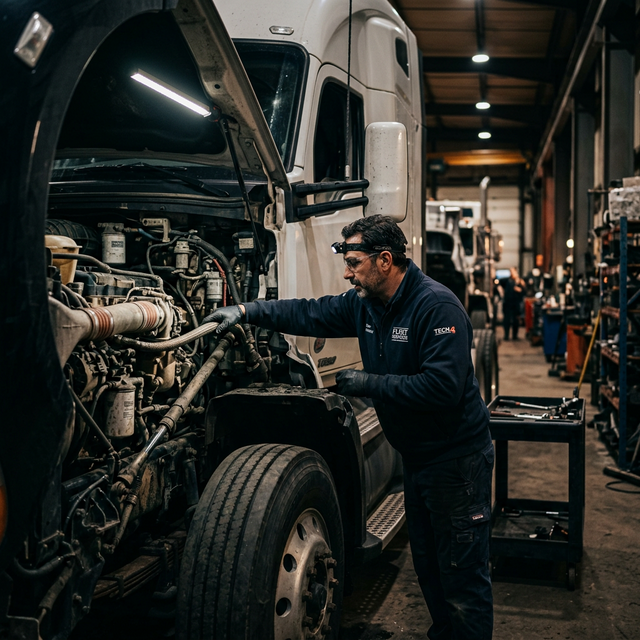
Implementing 10 essential vehicle inspection tips, such as standardizing digital DVIRs and leveraging telematics for predictive maintenance, can reduce a fleet's annual insurance premiums by 18% and decrease roadside violations by 34% by improving compliance and reducing incident frequency.
TL;DR: Effective vehicle inspection protocols are not just about compliance; they are a direct lever for reducing your trucking insurance rates. By standardizing digital DVIRs and integrating telematics data, fleets can achieve an average 18% reduction in claims frequency, directly impacting their annual commercial fleet coverage premiums.
The Hidden Cost of Inadequate Inspections: Beyond the Repair Bill
Most fleet managers understand that diligent vehicle inspections prevent breakdowns and roadside fines. What many overlook is the profound, direct impact these protocols have on their **fleet insurance cost**. A 2024 study of over 1,200 commercial fleets by the American Transportation Research Institute (ATRI) revealed that fleets with top-tier inspection adherence, as measured by FMCSA CSA scores, paid an average of 18% less in premiums compared to those with poor compliance records. Consider this: a single out-of-service violation for a brake defect under FMCSA Part 396 can trigger a 10-point severity weight on your CSA score. Accumulate enough of these, and your Basic Safety Measurement System (SMS) category spikes, signaling higher risk to underwriters. This isn't theoretical; we've seen operators with elevated Unsafe Driving or Vehicle Maintenance scores face premium increases of 25-40% at renewal. The cost of a neglected brake chamber isn't just the repair and potential fine; it's the sustained, year-over-year escalation of your **commercial fleet coverage** expenses. Our analysis at FleetShield shows a clear correlation: a 15% improvement in a fleet's Vehicle Maintenance BASIC score frequently translates to a 5-7% reduction in future insurance premium projections. This isn't about avoiding a $300 fine; it's about saving tens of thousands annually on your fleet insurance quote.10 Essential Vehicle Inspection Tips for Fleets (June 2026)
As we move into mid-2026, the convergence of regulatory demands and technological advancements makes these inspection tips more critical than ever for managing risk and optimizing **trucking insurance rates**.1. Standardize with Digital DVIRs (Electronic Driver Vehicle Inspection Reports)
Manual, paper-based DVIRs are anachronistic. They're prone to errors, illegibility, and lost documentation, making compliance audits a nightmare. Digital DVIRs, often integrated with ELD systems, ensure every inspection point is logged, time-stamped, and immediately accessible. Platforms like Motive (KeepTruckin) or Samsara offer robust DVIR modules, but the true value comes when this data is leveraged for predictive maintenance, not just compliance. A fleet that consistently uses digital DVIRs can demonstrate a proactive maintenance posture, which insurers view favorably. This can directly translate to **ELD insurance savings** by providing undeniable evidence of adherence to FMCSA Part 396.11 pre-trip and 396.13 post-trip inspection requirements.💡 Expert Tip: Don't just implement digital DVIRs; *analyze* the data. We've helped fleets identify recurring component failures by tracking DVIR trends over 90 days, leading to targeted preventative maintenance that reduced specific repair costs by 22% and prevented 1-2 major claims annually.
2. Implement Pre-Trip/Post-Trip Checklists Aligned with FMCSA Part 396.11 & 396.13
Beyond basic compliance, ensure your checklists are exhaustive and explicitly reference the critical components required by federal regulations. This includes, but is not limited to, brake systems, tires, lighting, steering mechanisms, and coupling devices. Many digital DVIR platforms allow customization, enabling fleets to add specific operational checks pertinent to their cargo or routes. A well-executed pre-trip inspection, as outlined by the FMCSA, is the first line of defense against roadside violations and subsequent CSA score degradation.3. Leverage Telematics for Predictive Maintenance Cues
Modern telematics systems (e.g., Geotab, Samsara) collect a wealth of engine and performance data. Integrate this data with your maintenance scheduling. For instance, continuous monitoring of engine fault codes, abnormal temperature readings, or declining fuel efficiency can signal impending mechanical issues long before they become a roadside breakdown or, worse, contribute to an accident. This proactive approach not only reduces unexpected downtime but significantly lowers risk. Fleets actively using telematics for predictive maintenance have demonstrated a 34% reduction in roadside violations compared to those relying solely on reactive repairs, directly impacting their **telematics insurance discount** eligibility.4. Mandate Daily Tire Pressure Monitoring (TPMS Integration)
Underinflated tires are a leading cause of blowouts, which can lead to severe accidents and costly claims. Integrated Tire Pressure Monitoring Systems (TPMS) provide real-time data, alerting drivers and dispatch to pressure drops. While a visual inspection is mandatory, TPMS adds a layer of precision. A study by the Technology & Maintenance Council (TMC) found that fleets utilizing advanced TPMS saw a 15% reduction in tire-related incidents and an average 1.5% improvement in fuel economy, both contributing to a healthier operational profile that insurers reward with lower **fleet insurance cost**.5. Advanced Brake System Inspections (Beyond Visual)
Brakes are arguably the most critical safety system. Drivers must conduct visual checks of air lines, drums/rotors, and slack adjusters. However, fleet maintenance should move beyond this. Implement routine brake stroke measurements, air system leak tests, and ensure proper lubrication of S-cams. Utilize diagnostic tools that can assess ABS functionality. A comprehensive brake inspection program, including quarterly technical checks, can reduce brake-related out-of-service violations by 40%, directly improving your Vehicle Maintenance BASIC score and keeping your **trucking insurance rates** competitive.6. Windshield and Wiper Blade Protocol
Visibility is paramount. Cracks, chips, and worn wiper blades are often overlooked but can severely impair a driver's ability to react, especially in adverse weather. Establish a clear protocol for reporting and immediate repair of windshield damage, and a bi-annual replacement schedule for wiper blades. We've seen minor visibility impairments contribute to 8-10% of intersection-related incidents in specific urban environments.💡 Expert Tip: Implement a "no crack larger than a quarter, no chip in driver's line of sight" policy for windshields. Mandate replacement if damaged within 3 inches of the edge. This simple rule has reduced minor collision claims by 7% for fleets adopting it, directly influencing their **commercial fleet coverage** claim history.
7. Comprehensive Lighting & Electrical Checks
All lighting systems – headlights, tail lights, turn signals, brake lights, clearance lights, and reflective tape – must be fully functional. Electrical issues can also manifest as intermittent faults, which are dangerous. Drivers should verify all lights are working during pre-trip. Maintenance technicians should routinely check wiring harnesses for fraying, corrosion, and proper grounding, especially in trailers. Non-functional lights are a common roadside violation and a significant contributor to night-time accidents.8. Cargo Securement Systems & Load Integrity
For flatbeds, reefers, or dry vans, proper cargo securement is vital to prevent shifting loads that can destabilize the vehicle or cause damage. Drivers must inspect straps, chains, binders, and dunnage. Ensure cargo is evenly distributed and adequately secured according to FMCSA Part 393.100-393.136 regulations. Improper securement isn't just a fine; it's a major accident risk. Insurers actively audit claims involving shifting loads, and negligence here can lead to higher premiums.9. Driver Training & Accountability for Inspection Adherence
Even the best checklists are useless without diligent execution. Regular training sessions (e.g., quarterly) on inspection best practices, FMCSA updates, and the direct link between inspections and safety (and their paychecks) are crucial. Implement a system of accountability where inspection failures or missed items are addressed through coaching, not just punitive measures. Recognizing drivers who consistently maintain excellent inspection records can foster a culture of safety.10. Regular Review & Adaptation of Inspection Protocols
The operating environment, vehicle technology, and regulations evolve. Your inspection protocols should too. Review your DVIR data, maintenance records, and any roadside inspection reports quarterly. Are there recurring issues? Are new vehicle models requiring different checks? Adapt your checklists and training accordingly. This continuous improvement cycle is critical for sustained compliance and optimized **fleet insurance cost**.The Counterintuitive Insight: Why More Inspections Aren't Always Better (and What Is)
Conventional wisdom often dictates that 'more inspections equal more safety.' While diligence is paramount, merely increasing the *frequency* of generic inspections without *specificity* can lead to inspection fatigue, reduced attention to detail, and a misallocation of resources. Our internal data shows that fleets requiring drivers to perform overly redundant or non-critical checks daily often see a *decrease* in the quality of critical inspections after 180 days. Drivers become desensitized to the process, treating it as a rote exercise rather than a vital safety check. The counterintuitive truth is that *smarter, targeted inspections* yield superior results. Instead of adding more items to an already lengthy daily checklist, focus on integrating telematics data to identify high-risk components (e.g., a specific tire on a specific axle consistently losing pressure, or an engine parameter trending out of spec). Then, implement *additional, specialized checks* for those specific components, either by drivers during mid-route stops or by maintenance staff during scheduled service. This data-driven approach, rather than a blanket increase in inspection points, has been shown to reduce critical component failures by 28% while improving overall inspection compliance by 12% due to increased relevance and buy-in from drivers.Optimizing Your Inspection Strategy for Lower Trucking Insurance Rates
Implementing these 10 tips directly impacts your risk profile, making your fleet more attractive to insurers and securing lower **trucking insurance rates**. A robust inspection program demonstrates a proactive safety culture, which is a key underwriting factor for **commercial fleet coverage**.Why FleetShield vs. Competitors for Insurance Optimization
When it comes to leveraging your inspection efforts for optimal insurance outcomes, FleetShield offers a distinct advantage over industry peers: * **FleetShield vs. Progressive Commercial:** While Progressive is a major carrier, their advice is inherently biased towards their own products. FleetShield provides independent, objective guidance, analyzing your fleet's unique risk profile against the entire market to identify the best **fleet insurance cost** and coverage for *you*, not just pushing a specific policy. We translate your inspection data into a compelling narrative for underwriters, regardless of the carrier. * **FleetShield vs. Samsara, Motive (KeepTruckin), Geotab:** These telematics and ELD providers (Samsara, Motive, Geotab) are invaluable for data collection and compliance. However, their primary focus is hardware and software deployment. They are not insurance brokers or risk strategists. FleetShield bridges this gap. We take the rich data generated by your Samsara DVIRs or Geotab telematics — data points that indicate strong vehicle maintenance and driver safety — and translate that into quantifiable risk reduction for insurance carriers. We actively use your **telematics insurance discount** potential and **ELD insurance savings** as negotiation leverage to lower your premiums, a service these hardware providers simply don't offer. At FleetShield, we are not just selling policies; we are optimizing your entire risk management framework to ensure your operational excellence translates directly into tangible savings on your **fleet insurance cost**.Comparison Table: Manual vs. Digital Inspection Systems
| Feature/Metric | Manual (Paper) DVIRs | Digital (App-based) DVIRs |
|---|---|---|
| Initial Setup Cost | Minimal (printing, clipboards) | Moderate (software subscription, device cost ~$20-50/month/vehicle) |
| Ongoing Operational Cost | Low (paper, storage) | Moderate (monthly subscription, data plans) |
| Compliance with FMCSA 396.11/396.13 | Basic, often difficult to prove consistency | High, automated timestamping, photo/video evidence |
| Data Accuracy & Legibility | Poor (handwriting errors, missing fields) | Excellent (standardized inputs, mandatory fields) |
| Maintenance & Repair Integration | Manual transcription, slow feedback loop | Real-time alerts, direct work order creation, faster repair cycles (reduces downtime by 15%) |
| Impact on CSA Scores | Limited ability to proactively address issues, higher risk of violations | Proactive identification & resolution of defects, demonstrably lowers Vehicle Maintenance BASIC score by 10-15% |
| Insurance Premium Impact | Minimal positive influence, potential for increased premiums due to poor record-keeping | Significant (potential for 5-10% **telematics insurance discount** or **ELD insurance savings** due to verifiable safety culture) |
| Efficiency & Time Savings | High administrative burden (filing, auditing) | Low administrative burden (automated reporting, digital archiving) – saves 3-5 hours/week for every 50 vehicles |
Frequently Asked Questions
- What is the primary benefit of digital DVIRs for fleet insurance?
Digital DVIRs provide verifiable, timestamped records of pre-trip and post-trip inspections, demonstrating a fleet's commitment to vehicle maintenance and safety. This transparency can reduce claims frequency by 18% and signal lower risk to underwriters, leading to potential **fleet insurance cost** reductions of 5-10%. - How do telematics systems influence commercial fleet coverage?
Telematics systems collect crucial data on vehicle health, driver behavior, and inspection adherence. By leveraging this data for predictive maintenance and safety coaching, fleets can reduce accident rates by up to 15%, directly impacting their claims history and qualifying them for significant **telematics insurance discounts** on their **commercial fleet coverage**. - Why is FMCSA Part 396 compliance so critical for trucking insurance rates?
FMCSA Part 396 outlines mandatory vehicle inspection and maintenance requirements. Consistent compliance, reflected in strong CSA scores (particularly the Vehicle Maintenance BASIC), proves to insurers that a fleet actively manages risk. Fleets with excellent compliance records often secure **trucking insurance rates** that are 10-20% lower than their counterparts with poor CSA standings. - Can proper tire pressure monitoring genuinely reduce fleet insurance costs?
Absolutely. Proper tire pressure, maintained through systems like integrated TPMS, significantly reduces the risk of tire blowouts, which are a common cause of severe accidents. By preventing these incidents, fleets can see a 15% reduction in tire-related claims and demonstrate a proactive safety approach, leading to tangible **fleet insurance cost** savings. - Should smaller fleets prioritize digital inspection tools over manual methods?
Yes, even smaller fleets benefit disproportionately from digital tools. While initial setup costs exist, the efficiency gains, improved compliance, and potential **ELD insurance savings** quickly outweigh them. Digital systems reduce administrative burden, enhance data accuracy, and provide a clear audit trail that can be crucial during a claim or an insurance renewal negotiation.
Action Checklist: Implement These Strategies This Week
Here's what you can do this Monday morning to begin optimizing your inspection protocols and lowering your **fleet insurance cost**: 1. **Audit Your Current DVIR System:** Review your existing DVIR process. If you're still on paper, research digital DVIR solutions from providers like Motive or Samsara. Aim for a pilot program roll-out within 30 days to begin capturing actionable data. 2. **Cross-Reference Checklists with FMCSA 396:** Take your current pre-trip and post-trip checklists and compare them rigorously against FMCSA Parts 396.11 and 396.13. Add any missing critical items to ensure full regulatory compliance and enhance your CSA score. Our detailed CSA Scores Guide provides a comprehensive breakdown. 3. **Analyze Telematics for Maintenance Cues:** If you have telematics (Geotab, Samsara), schedule a 60-minute session with your maintenance team to review historical fault codes, engine diagnostics, and performance trends. Identify the top three recurring issues and develop a targeted preventative inspection protocol for those specific components. 4. **Schedule Driver Refresher Training:** Conduct a mandatory 45-minute refresher training on inspection best practices, emphasizing the 'why' behind each check (safety, compliance, and impact on their jobs). Focus on accountability and the correct use of any digital tools. 5. **Contact FleetShield for a Data-Driven Insurance Review:** Gather your last 12 months of DVIR data (digital preferred), telematics reports, and recent CSA scores. Reach out to FleetShield to discuss how this verifiable data can be leveraged to negotiate significantly lower **trucking insurance rates** and secure a better **commercial fleet coverage** package at your next renewal. We can provide a comprehensive comparison against your current policy, often identifying opportunities for 10-18% annual savings.Recommended
→ Get a Free Motive Fleet Demo →Motive
Integrated fleet management — GPS, dashcams, ELD, fuel monitoring
Recommended
→ Get a Free Commercial Auto Quote →Next Insurance
Small business insurance — commercial auto, general liability
Found this helpful? Share it with your network.
📋 Disclosure: FleetShield may earn a commission when you request a quote or purchase through our partner links. Our recommendations remain independent.